
Why Is Padel So Addictive?

Why Is Padel So Addictive
The sport people try once and never quite stop playing
Almost everyone who plays padel says the same thing.
I will just try it once.
A few weeks later they are reorganising their diary, checking booking apps daily, and wondering how a sport they had barely heard of has quietly taken over their life.
Padel is not just popular. It is addictive. And there are very real reasons why.
It is easy to start and hard to stop
Padel has one of the lowest barriers to entry of any racket sport. You do not need years of lessons to have fun. You do not need perfect technique. You do not even need to be particularly fit on day one.
From the very first game you are rallying, laughing, and feeling involved. That instant reward is powerful. Your brain registers success quickly and wants more.
Unlike sports that make you feel bad before you feel good, padel makes you feel good immediately.
The walls change everything
The walls are not just a feature. They are the secret.
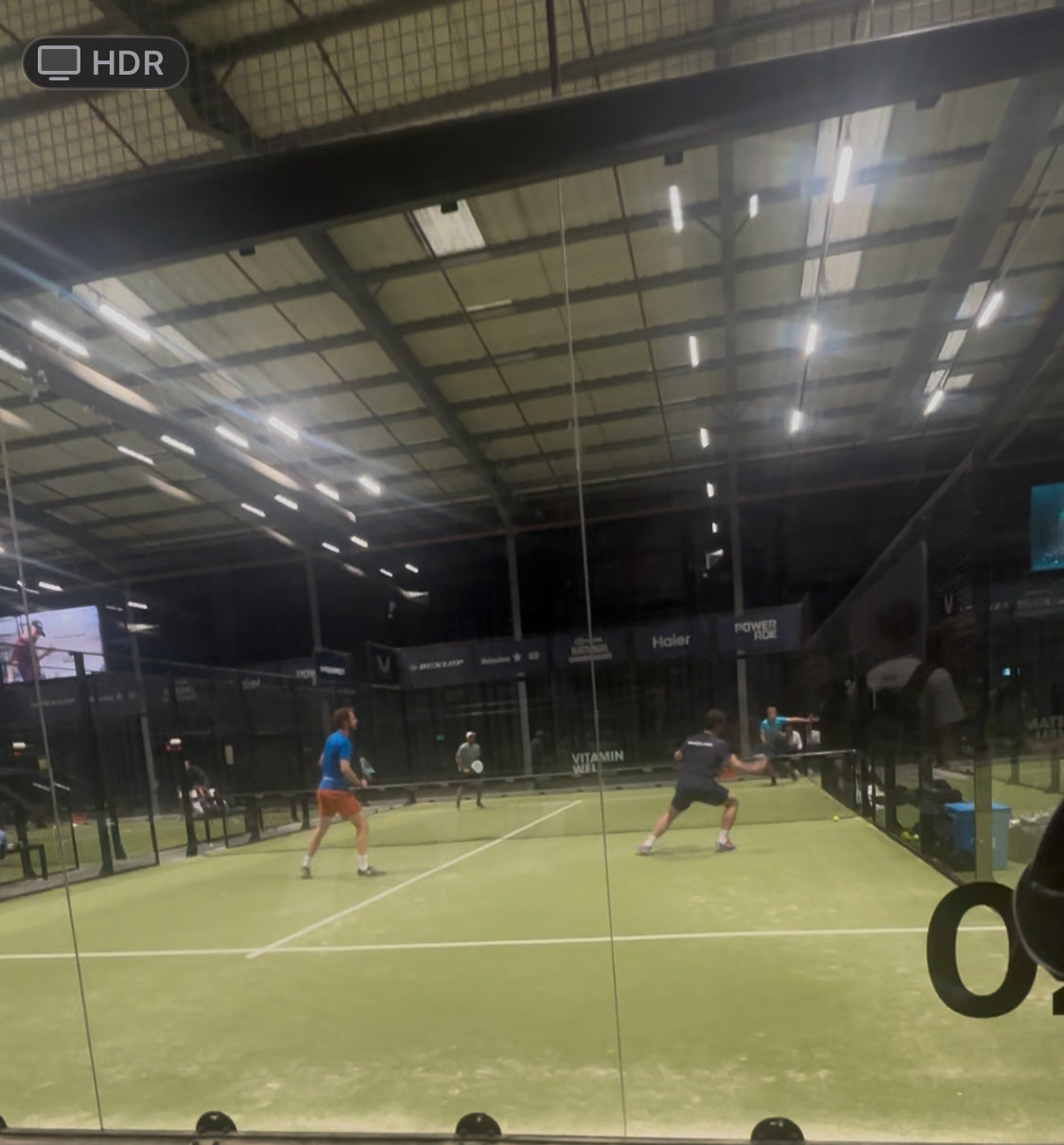
The ball staying in play for longer creates more rallies, more chances, and more drama. Points feel alive. Even when you miss, you feel close.
This keeps your brain engaged. There is always another option. Another shot. Another way back into the point.
Psychologically, this is huge. Your brain stays stimulated rather than frustrated, which is a key ingredient in addiction.
It is social by design
Padel is played in doubles. That alone changes everything.
You are not isolated on court. You are communicating, laughing, and sharing moments constantly. Wins feel shared. Mistakes feel lighter.
Most padel sessions also come with a social rhythm afterwards. Coffee. A drink. A chat that goes on longer than planned.
Humans are wired for connection and padel delivers it without forcing it.

It gives you a sense of belonging
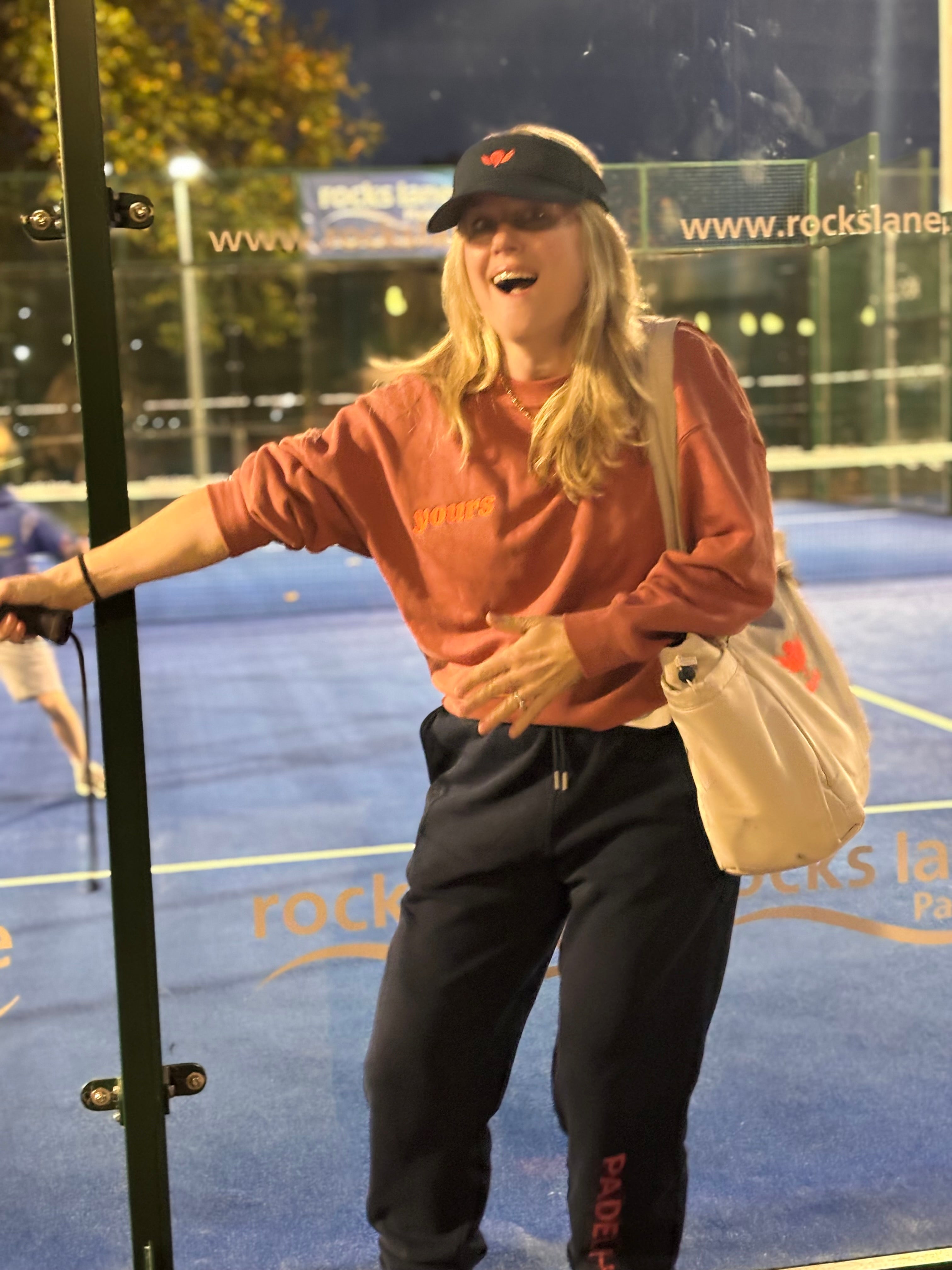
Padel clubs quickly feel like communities. You recognise faces. You start to feel known. You get invited to games.
This sense of belonging is incredibly addictive. Especially in adult life where making new friends can feel strangely difficult.
Padel gives you a reason to show up somewhere regularly. And once you feel part of something, you want to keep coming back.
It hits the sweet spot physically
Padel is active without being punishing.
You sweat. You move. You feel energised afterwards rather than destroyed. For many people this is the perfect balance.
It fits into real life. You can play before work. At lunch. In the evening. You do not need days to recover.
Your body learns that padel feels good and starts asking for it again.
The learning curve is addictive
There is always something to improve.
A softer touch. A better serve. Learning to use the glass properly. Understanding positioning.
Progress in padel feels constant and achievable. You notice improvements quickly and that fuels motivation.
Small wins add up and your brain loves that feedback loop.
It becomes part of your identity
At some point you stop saying I play padel sometimes and start saying I play padel.
You plan holidays around courts. You notice padel clubs in new cities. You follow padel accounts. You care about kit.
This shift from activity to identity is where addiction really settles in. It becomes part of who you are.
A final word from Padelhüd
Padel is not addictive by accident. It is addictive because it taps into exactly what people are craving right now.
Movement without pressure. Community without effort. Progress without punishment.
It is a sport that fits modern life rather than competing with it.
And once it gets under your skin, it rarely lets go.

Leave a comment
This site is protected by hCaptcha and the hCaptcha Privacy Policy and Terms of Service apply.